
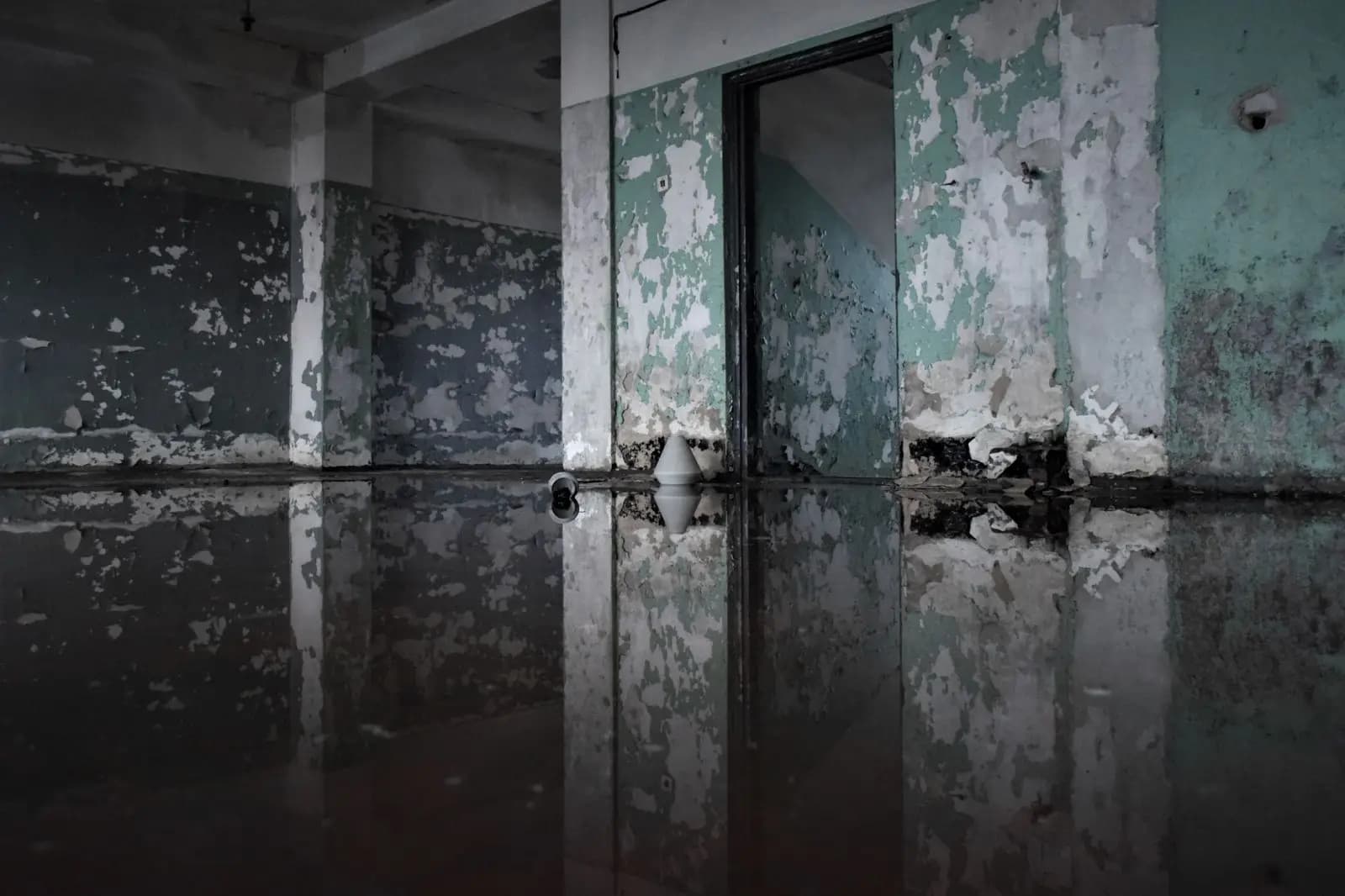
Flood Damage Cleanup
Cleanup and drying after basement flooding, storm intrusion and other flooding events, with care for contaminated water.
Learn moreBasement Flooding • Bergen County, NJ
Basements are where water ends up — from heavy rain, sump pump failures, water heaters and plumbing leaks. We remove the water, deal with wet finishes and dry the space so it is usable again.
Overview
Many homes across Bergen County have full basements, and many of those have been finished with carpet, drywall and storage. When water arrives — from groundwater pressure after prolonged rain, an overwhelmed or failed sump pump, a burst water heater or a backed-up floor drain — it can affect a large area very quickly.
Older foundations, window wells that collect rain, grading that slopes toward the house and power outages during storms all contribute. The cause matters for cleanup: clean water from a supply line is handled differently from groundwater or sewage backup.
Finished basements usually need a flood cut — removing the lower portion of drywall — so wall cavities and insulation can be dried or replaced. Carpet over concrete may be salvageable after clean-water events; laminate and engineered flooring often trap water underneath.
After cleanup, it's worth considering a battery-backup sump pump, a water alarm near the water heater and sump pit, and checking that gutters and downspouts discharge well away from the foundation.
Our approach
FAQ
If water is near outlets, equipment or the electrical panel, don't enter. Otherwise, unplug items you can reach safely, move belongings up and out, and call. Take photos for your records.
If the water was clean and is extracted quickly, carpet may be saved, though pad is typically replaced. Carpet exposed to groundwater, flood water or sewage is usually removed.
Masonry holds moisture and releases it slowly. Dehumidifiers and airflow are used together, and readings are taken over several days to confirm drying.
Related services
Cleanup and drying after basement flooding, storm intrusion and other flooding events, with care for contaminated water.
Learn more
Contaminated-water cleanup with protective equipment, safe removal of affected materials and thorough sanitizing.
Learn more
Controlled airflow, dehumidification and daily moisture monitoring to dry framing, subfloor, walls and other building materials.
Learn moreWe provide basement flood cleanup throughout Bergen County, including:

Water damage emergency?
Call now for water extraction and restoration service in Bergen County, NJ.
Contact
Takes about a minute. Email and message are optional.